Radar data on thin links
Send the slice of the returns the mission needs.
What it ignores vs. When it speaks
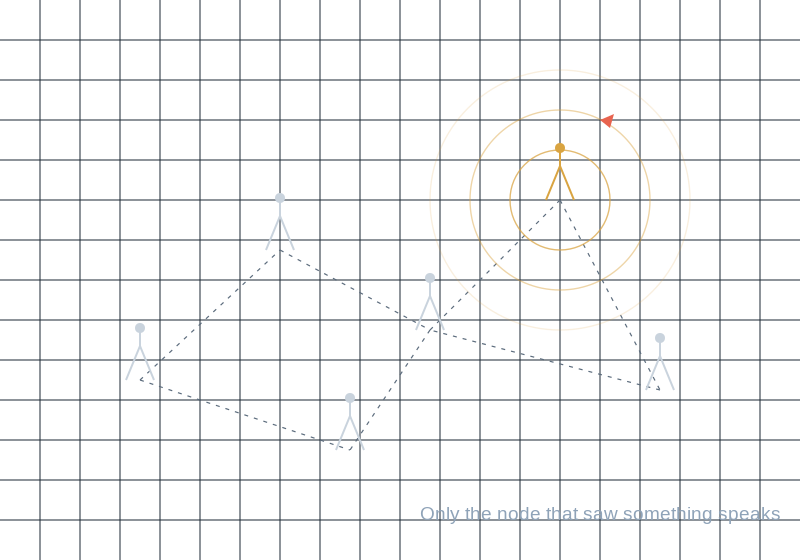
Tactical edge systems cannot waste compute or bandwidth. The model spends energy only when evidence satisfies strict mission criteria.
What it ignores
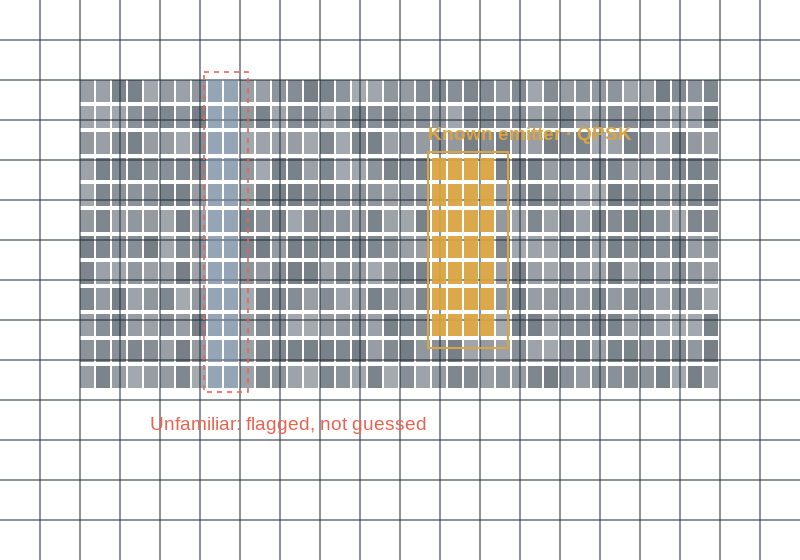
Background returns inside the normal envelope for that range and bearing.
Sector 040°, range 12 km
Full resolution kept; rest summarised
3% of returns sent
How it decides
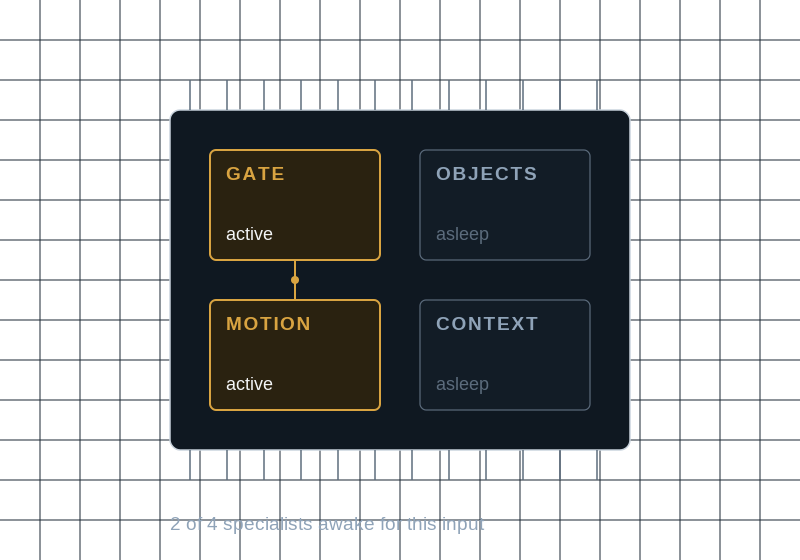
Every incoming sensory event moves through four verifiable operational phases:
Ignore
Background returns conforming to normal envelopes for given range and bearing bearings are compressed heavily.
Recruit
Mission-declared sectors of interest retain full uncompressed resolution for downstream exploitation.
Refuse
When link capacity drops below minimum threshold, the node reports exactly what data fidelity was dropped.
Record
The transmitted compression ratio is always documented alongside an accounting of excluded returns.
Technical Readiness & Stack Architecture
Measured Benchmark Results
No results yet. Our ISR study showed why a compression ratio on its own is misleading, and the same reporting applies here.
Interfaces & Deployment
Interoperable Mission Applications
Ready to Evaluate This Pipeline on Your Silicon?
We provide containerized binaries, sample sensor traces, and zero-trust edge benchmarks for pilot programs.